- CategoryStructureArchitectMechanicalElectrical


Therefore, consider what the data situation in the model would look like if:
In the BIM world, it is the basis after all – the 3D model is enriched with INFORMATION, the model attributes include design data, component specifications, etc. In addition, there are data necessary in the Facility Management phase (COBIe data), information on health and safety. This means that a typical model today may contain the following data types: A typical BIM model may contain the following data:
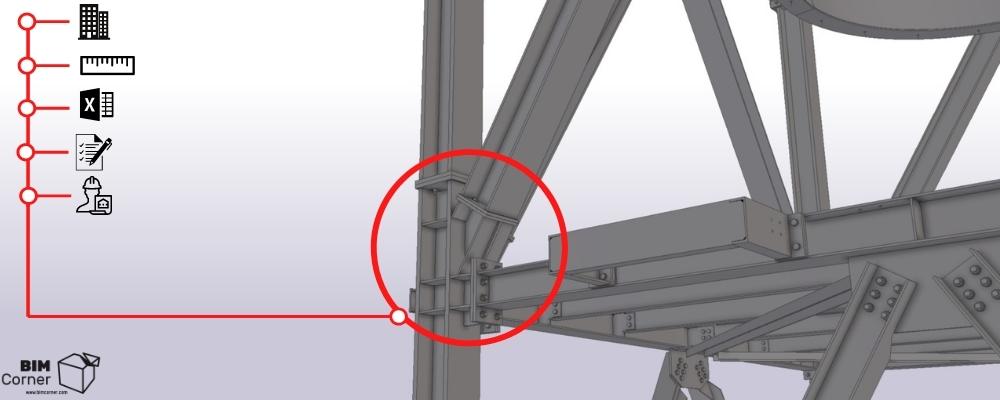
This amount of data in the model is already significant. However, this is the basic information that is added to a typical model, and we want to consider as much of the information contained in the model as possible. We want the 3D model to be the source of all design information, to have production (construction) information, to be truly the only source of truth about the design. Is it correct to include all the data we can think of into the model? The list of additional data that seems to be as necessary in the model as those mentioned above is:
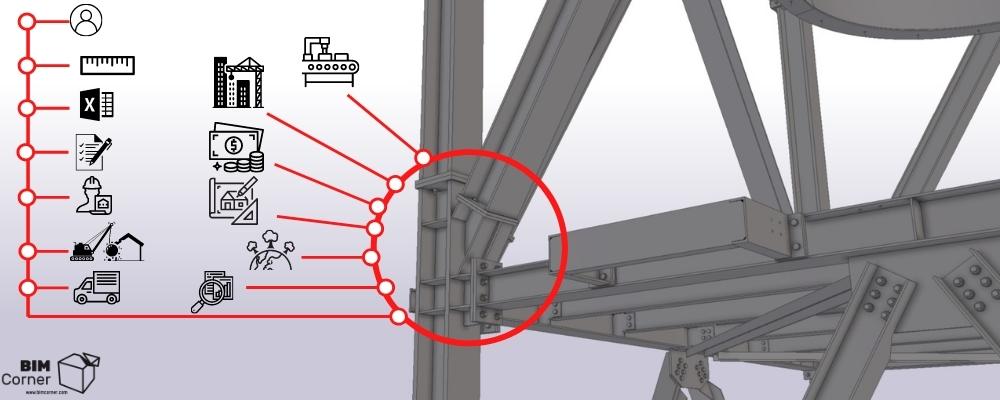
So we have a model full of information, a fully intelligent model, useful for every industry and for every phase of the project. But is such a data-heavy BIM model good or useful? Definitely not! Models will collapse under their own weight. Another point is adding all this information to the model. Who would do this? Who to manage this data? Coordinate? You can use a script or an API (Application Programming Interface) tool that will add all this information automatically, but the data must be prepared and delivered in some way. The model itself, the information tabs are no longer legible and transparent. Just look at the model-based design that contains the information so far shown in the drawings. This information is read by scripts from an Excel spreadsheet and assigned as additional element attributes … their number is huge, and this is only a small fraction of all the information I wrote about in this point.
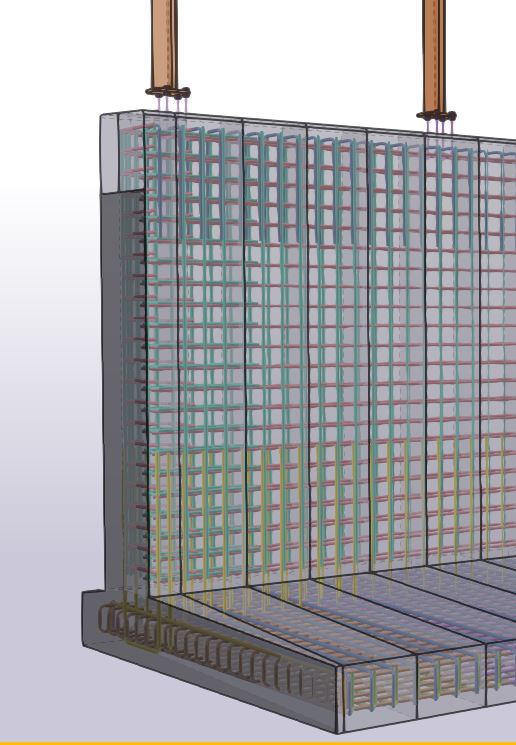
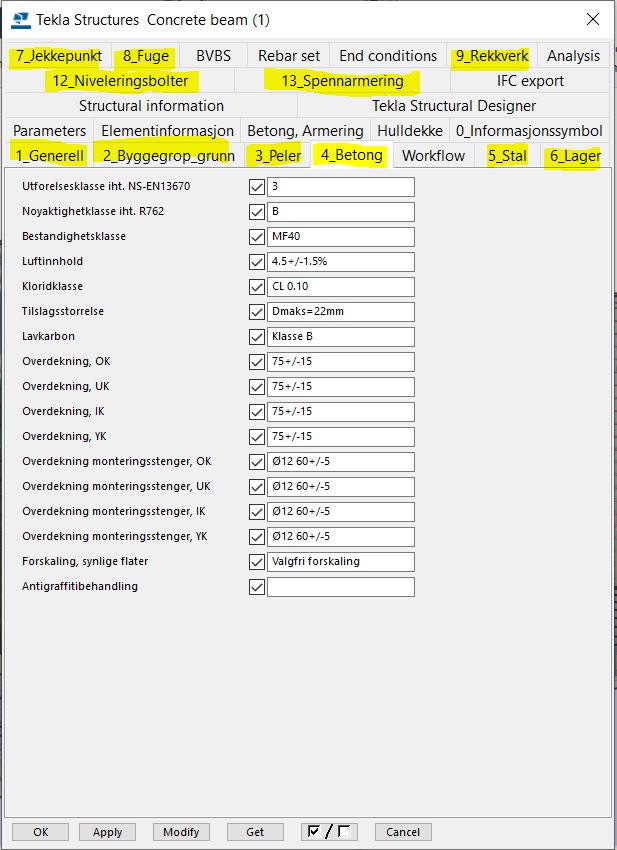
The illustration above shows the number of additional attributes (information about objects in the model) for a small retaining wall, the design of which is not drawn.
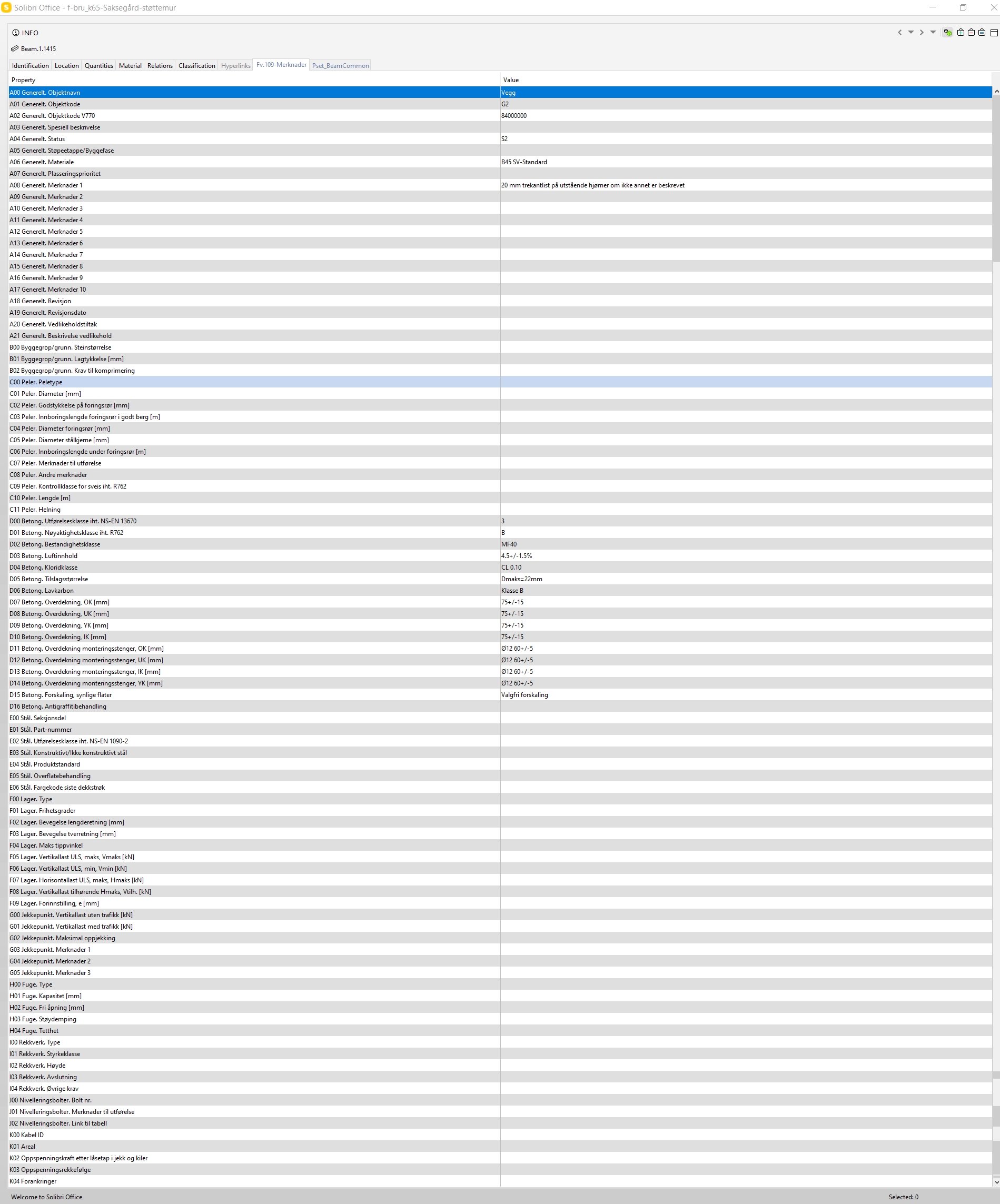
As you can see, the list of additional information in a small non-drawing project is quite large. So it is easy to imagine how huge the list would be, if all possible data were taken into account …
Let’s move from one extreme to the other. Since it seems impractical to enter all the data into the model, consider a pure 3D model. No additional data. 3D model not enriched with information, in which only geometry and shape are defined. In that case, the 3D Model would only be a more developed form of CAD. What about the data? Let’s assume that all the necessary data will be on external systems. Both design data and specifications will be linked to the model through microservices and to objects in the model through a global GUID.
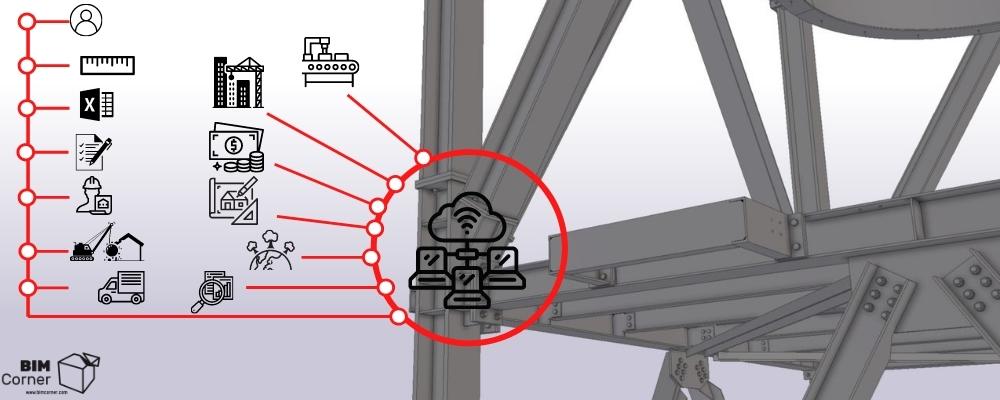
Such a solution, despite its archaic approach and similarity to the ancient times of CAD, actually makes more sense than running through the model with a million data. The widespread internet connectivity (also on the construction site), the development of APIs and the multitude of internet services make such an idea quite sensible.
This solution is much more complicated than managing the million properties assigned to each object in the model, but it is much more logical and practical. The data is not kept in one place. teams, industries can more easily control the flow of data necessary for their part of the project, without affecting the work of other teams.
This trend is already slowly developing also thanks to buildingsmart and API-based solutions: https://github.com/buildingSMART/BCF-API
https://technical.buildingsmart.org/projects/opencde-api/
Maybe instead of choosing the extremes, it is possible to find the golden mean in the amount of data that should be in the model? Part of the data assigned to the elements of the BIM model and part of the data stored in external services? Instead of appending all the data to the model, we could store some data on external systems and connect those external systems to the model. The question immediately arises: which data are to be attached to the model, and which are linked to external systems? According to what criteria should the data be distributed to the model and to external systems? There would be friction between project participants as to whose data is more important and should be included in the model. It would mean raising the rank of one piece of information over another … and yet all information is equally important, otherwise it would not be needed.
It is quite difficult to answer the question of how much data is needed in a BIM model. On the one hand, we see the trend of adding as much information to objects as possible. Thanks to this, you can, for example, omit drawings and provide designs based on the model, on the other hand, such a large amount of data in the model may be difficult to use and manage. Including all the data in the model is difficult to scale. Attaching some data to your model means deciding which data is most important, and it may not be feasible to combine all of your data at this time. So what will BIM models look like in the future? Which direction is the AEC industry going to take in terms of the amount of data in the model? In my opinion, the industry, despite the current trend of a multitude of information in the model, will be moving towards minimizing the amount of data in the BIM model, using external data storage services that will be linked to the model. What is your opinion on this? How much information do you add to your model?